How Language Barriers Form – And How We Gently Break Them

Hello, my dear friends. I'm Dr. Elena Ramirez, a family physician who's spent the last 25 years in bustling clinics from urban hospitals to rural communities, holding hands through diagnoses, treatments, and triumphs. I've seen firsthand how the human spirit shines brightest when we connect heart-to-heart, even across what might seem like insurmountable divides. Today, I want to talk to you about something close to my own heart: language barriers in healthcare. Think of them not as unbreakable walls, but as puzzles we've "encoded" through our diverse world—and ones we can absolutely "decode" with a little patience, tools, and kindness. I'll walk you through how these barriers form, why they matter, and most importantly, how we can gently unravel them together. My hope is that this leaves you inspired to bridge gaps in your own life, whether you're a patient, a loved one, or a fellow caregiver. Let's begin this healing conversation.
Understanding How Language Barriers Form: The "Encoding" Process
Imagine language as the beautiful code that carries our thoughts, fears, and hopes from one person to another. In healthcare, when that code doesn't match up, a barrier gets "encoded"—built layer by layer through everyday realities. It often starts with limited proficiency in the dominant language, like English in many U.S. settings. Patients from immigrant backgrounds or indigenous communities might speak fluently in their native tongue but struggle with medical jargon in another. For instance, accents, dialects, or even illiteracy in one's own language can add complexity, turning a simple explanation into a confusing maze.
Cultural differences weave in too—think of how some languages lack direct words for concepts like "chemotherapy" or "palliative care," forcing roundabout descriptions that can lead to misunderstandings. These barriers don't form out of malice; they're often born from migration stories, where brave souls leave homelands for better opportunities, only to face isolation in a new system's linguistic landscape. Add in heavy accents, hearing impairments, or the chaos of a busy ER, and the encoding strengthens. The result? Misdiagnoses, delayed treatments, or patients feeling unheard and unseen, which erodes trust and can worsen health outcomes. But here's the inspiring part: recognizing this "code" is the first step to cracking it. You're not alone in this—millions navigate it daily, and with awareness, we turn barriers into bridges.
The Heartfelt Impact: Why Decoding Matters So Much
Before we dive into solutions, let's pause on why this touches me deeply. I've held back tears with families who've suffered unnecessary pain because a symptom was lost in translation—a wrong medication dose, an overlooked allergy, or a treatment plan that felt like a mystery. These barriers can lead to errors, longer hospital stays, and even emotional scars like anxiety or depression. Yet, in my experience, when we decode them, magic happens: patients feel empowered, compliance soars, and healing accelerates. It's not just medicine; it's reclaiming dignity and connection in our shared human story.
Gentle Ways to Decode: Strategies and Stories to Inspire
Now, let's roll up our sleeves and talk about "decoding"—those practical, compassionate steps to dismantle the barrier. As your guide, I'll share evidence-based tips woven with real stories that warm my soul, reminding us that empathy is the ultimate key.
First, embrace professional interpreters as your allies. They're not just translators; they're cultural navigators trained in medical terms, ensuring nothing gets lost. Remember Ana, a courageous Maya woman battling cancer who spoke Q’anjobal, a language with no direct medical equivalents? Her nurse decoded the barrier by using interpreters for short, clear explanations and even demonstrated injections hands-on. Over time, trust bloomed, and Ana continued her treatment, proving that patient persistence pays off.
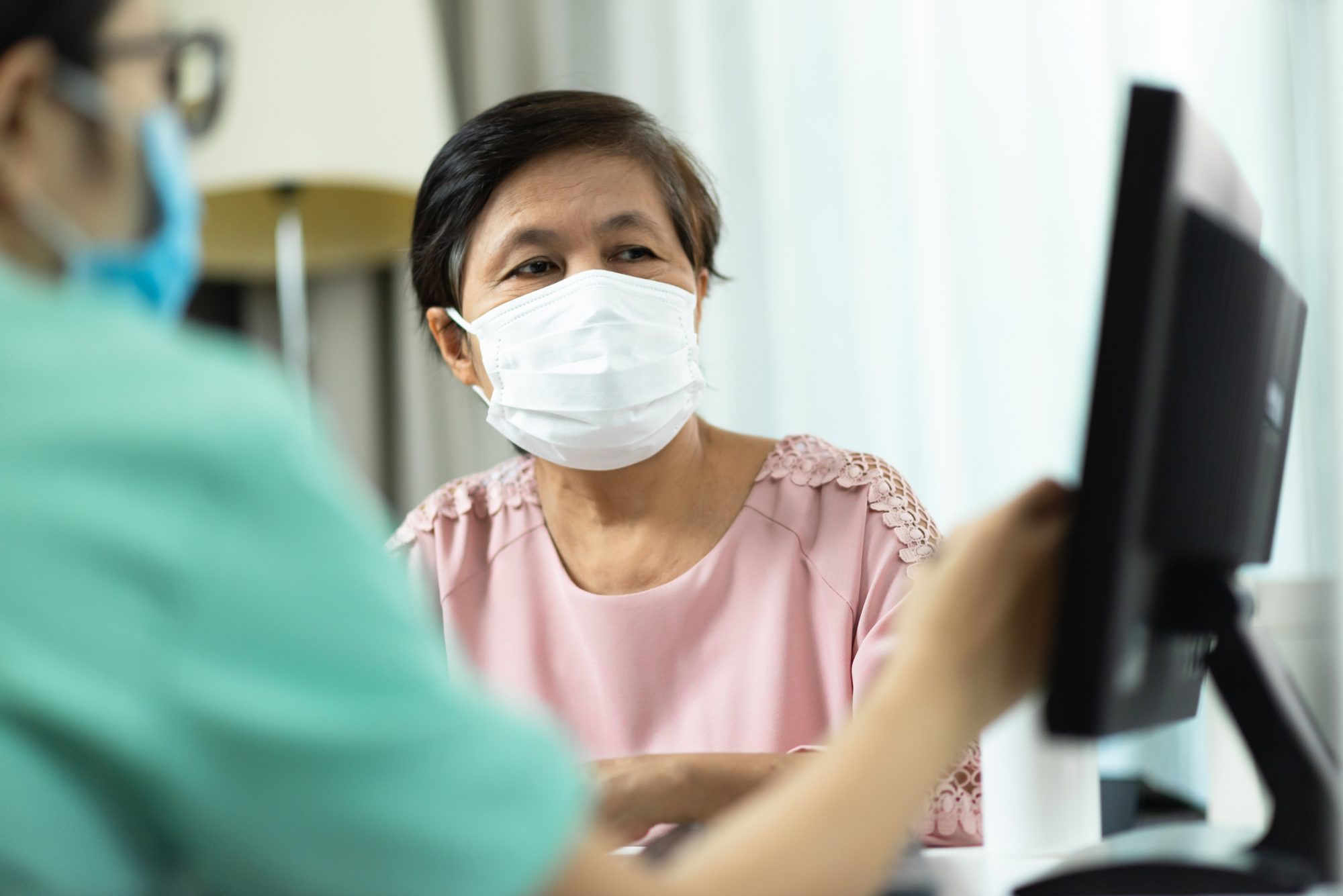
Similarly, during the COVID-19 chaos, interpreters like Melina bridged heart-wrenching gaps. She helped a doctor convey a do-not-resuscitate decision to a son, allowing a final window visit—tears flowed, but so did understanding and closure. To decode effectively, request interpreters early (many hospitals provide them free under law), and use video or phone services for quick access. Avoid relying solely on family—they mean well, but emotions or inaccuracies can muddle the message, as seen with Ms. Edna Gutierrez, whose teenage daughter withheld cancer details to protect her. Professional help turned her story around, leading her to advocate for others.
Next, lean on visual aids and simple language—pictures, diagrams, or apps that translate in real-time. In multicultural training, we learn to speak slowly, use active listening (repeating back what you heard), and confirm understanding with nods or thumbs-up. Mrs. Yong-Nan Wu, a breast cancer survivor, felt lost signing forms she couldn't read until she discovered her right to interpreters. That shift restored her hope, and she beat the odds.

Community collaboration is another decoder: Partner with patient advocates or bilingual staff, and build language access programs with translated documents. Mr. Shi Heng-Xiao's wife avoided a risky surgery through clear second opinions via interpreters, saving costs and stress. And in the NICU, innovative web tools help families overcome literacy and language hurdles, turning anxious waits into informed partnerships.
Finally, set personal goals for cultural competence—read about diverse backgrounds, practice empathy, and remember: a warm smile transcends words. As Melody shared from her COVID shifts, hearing a recovering patient's grateful tears made every challenge worthwhile.
A Final Hug: Your Role in This Beautiful Tapestry
My friends, language barriers may encode challenges, but decoding them reveals the universal language of compassion. You've got the power—whether advocating for an interpreter, using a translation app, or simply listening with an open heart—to transform healthcare into a space of true healing. I've witnessed miracles: patients like Jack Z. regaining mobility after clear communication unlocked the right therapy. You're capable, you're resilient, and together, we can ensure no one feels alone. If you're facing this, reach out—help is here. Stay well, and keep connecting. With all my warmth, Dr. Elena


Comments
Post a Comment