Breakthrough: Cancer-Fighting Plant Compound Mitraphylline Decoded – Hope for New Treatments
Scientists have unlocked the secrets of mitraphylline, a rare anti-cancer compound from cat's claw and kratom plants. Discover how this 2025 breakthrough could revolutionize sustainable cancer therapies and inflammation treatments. Read more for the full story!
In a world where cancer remains one of humanity's toughest battles, nature often holds hidden keys to victory. Imagine a compound tucked away in tropical plants, powerful enough to fight tumors but so rare it's been nearly impossible to produce at scale. That's mitraphylline—a game-changer that's just been "decoded" by researchers. This 2025 breakthrough isn't just science news; it's a beacon of hope for greener, more accessible treatments. Let's dive into what this means for you and the future of medicine.
What Is Mitraphylline and Where Does It Come From?
Mitraphylline is a spirooxindole alkaloid, a fancy term for a molecule with a unique twisted ring structure that gives it potent biological powers. Found in trace amounts in plants from the coffee family, it's primarily sourced from two tropical trees:
- Uncaria tomentosa (commonly known as cat's claw), a vine native to the Amazon rainforest used in traditional medicine for centuries.
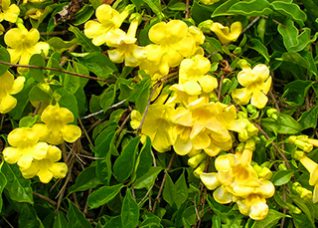
- Mitragyna speciosa (kratom), a Southeast Asian tree whose leaves have been studied for various health effects.

These plants produce mitraphylline naturally, but in such small quantities that harvesting it sustainably has been a challenge—until now.
How Was This Rare Compound Finally Decoded?
The "decoding" refers to unraveling the plant's biosynthesis pathway—essentially, the natural assembly line that creates mitraphylline. Led by Dr. Thu-Thuy Dang at UBC Okanagan, the team identified two crucial enzymes:
- One that shapes the molecule into a three-dimensional form.
- Another that twists it into its final, bioactive structure.
This builds on a 2023 discovery of the first enzyme for the "spiro" shape. Using advanced genomics, including a full chromosome map of Mitragyna parvifolia, researchers pieced together how these alkaloids evolve and form. It's like solving a puzzle that's stumped scientists for years.
Here's a simplified look at mitraphylline's molecular structure, showcasing its twisted rings:

The Cancer-Fighting Potential: What Makes It Special?
Mitraphylline's twisted structure isn't just for show—it enables strong anti-tumor and anti-inflammatory effects. Studies link it to:
- Anti-cancer activity: It may inhibit tumor growth by interfering with cancer cell processes.
- Anti-inflammatory benefits: Helpful for conditions like arthritis or as an adjunct to chemotherapy.
While not a cure-all, its rarity has limited research. Now, with the blueprint decoded, we can produce it lab-grown using "green chemistry"—mimicking plant processes without harming ecosystems.
Dr. Dang explains, "This is similar to finding the missing links in an assembly line. It answers a long-standing question about how nature builds these complex molecules and gives us a new way to replicate that process."
Implications for Medicine and the Future
This discovery opens doors to scalable production, making mitraphylline accessible for clinical trials and drug development. Imagine:
- Sustainable alternatives to synthetic drugs, reducing reliance on wild harvesting.
- New therapies for hard-to-treat cancers, potentially combined with existing treatments.
- Broader exploration of plant compounds—nature's pharmacy unlocked.
Collaborators like Dr. Satya Nadakuduti from the University of Florida emphasize the collaborative effort. Looking ahead, the team plans to adapt these tools for more therapeutic molecules.
Why This Matters to You
If you're dealing with cancer, supporting a loved one, or just passionate about natural health, this is empowering. It shows how science and nature can team up for real progress. Stay informed—advances like this could change lives


Comments
Post a Comment